GPCR – what is itG-protein coupled receptors (GPCRs) are a family of protein receptors which are expressed on the cell membrane. GPCRs can transduct several different kind of extracellular signals to the intracellular space, which in turn can activate numerous different signalling pathways which lead to cellular responses. Problems with signal transduction process can lead to various diseases and thus GPCRs are important biological targets for drugs.
Our reasearch group is foucused on several different receptors and is engaged in studying both extracellular and intracellular effects of receptor activation mechanisms. |
Beta2-adrenergic receptor PDB ID: 5D5B
|
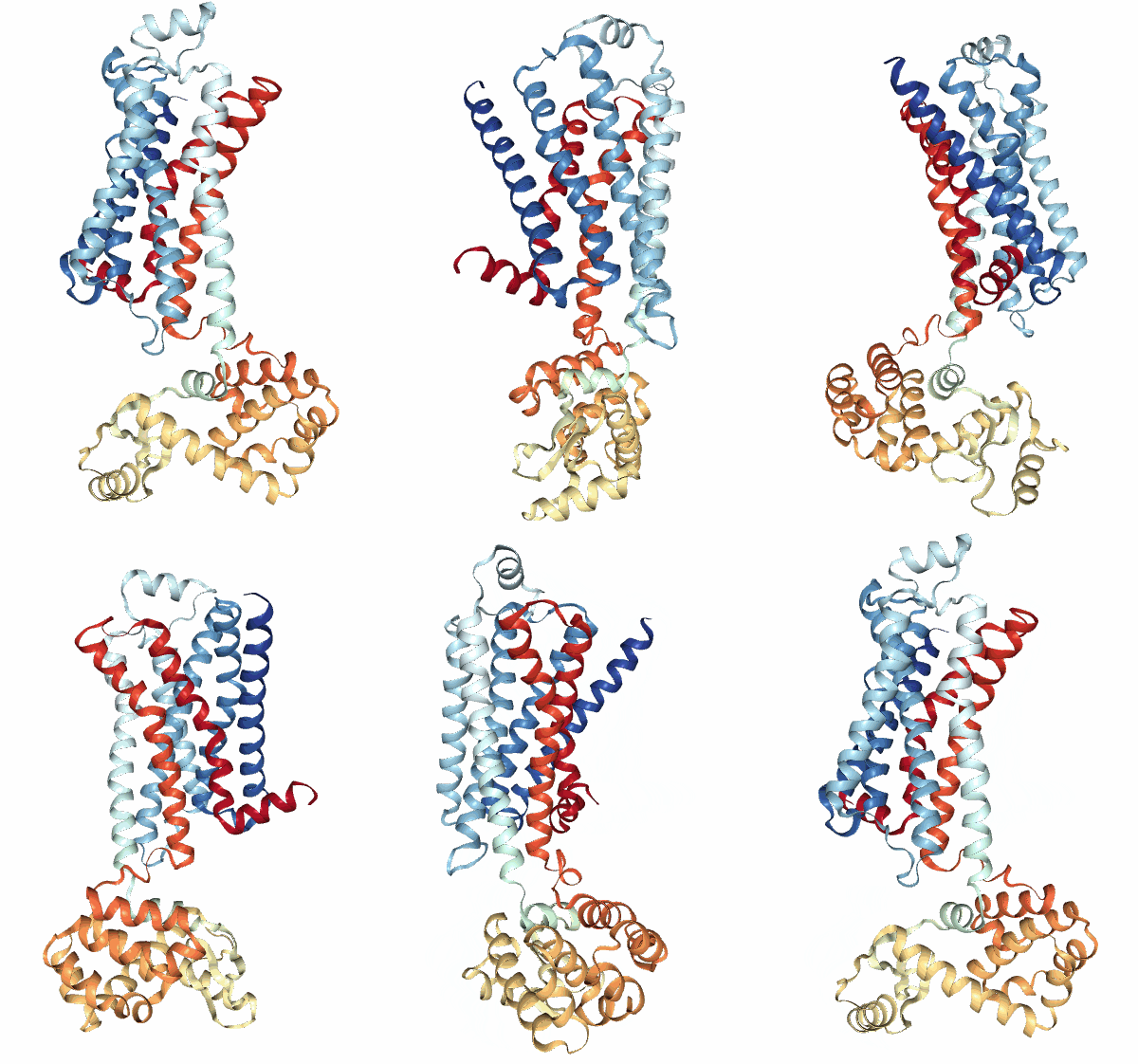
Our Targets:
|
our focus: Receptor Binding and activation mechanisms
Effects on extracellular side of a receptor
Effects on intracellular side of a receptor
|
Our Methods:
Cooperation, Equipment and Software
Visit collaboration page for further details about our partners.
Visit equipment page for further details about the instruments in our lab.
Visit software page for downloads and further details about the software being developed in our lab.
Visit equipment page for further details about the instruments in our lab.
Visit software page for downloads and further details about the software being developed in our lab.